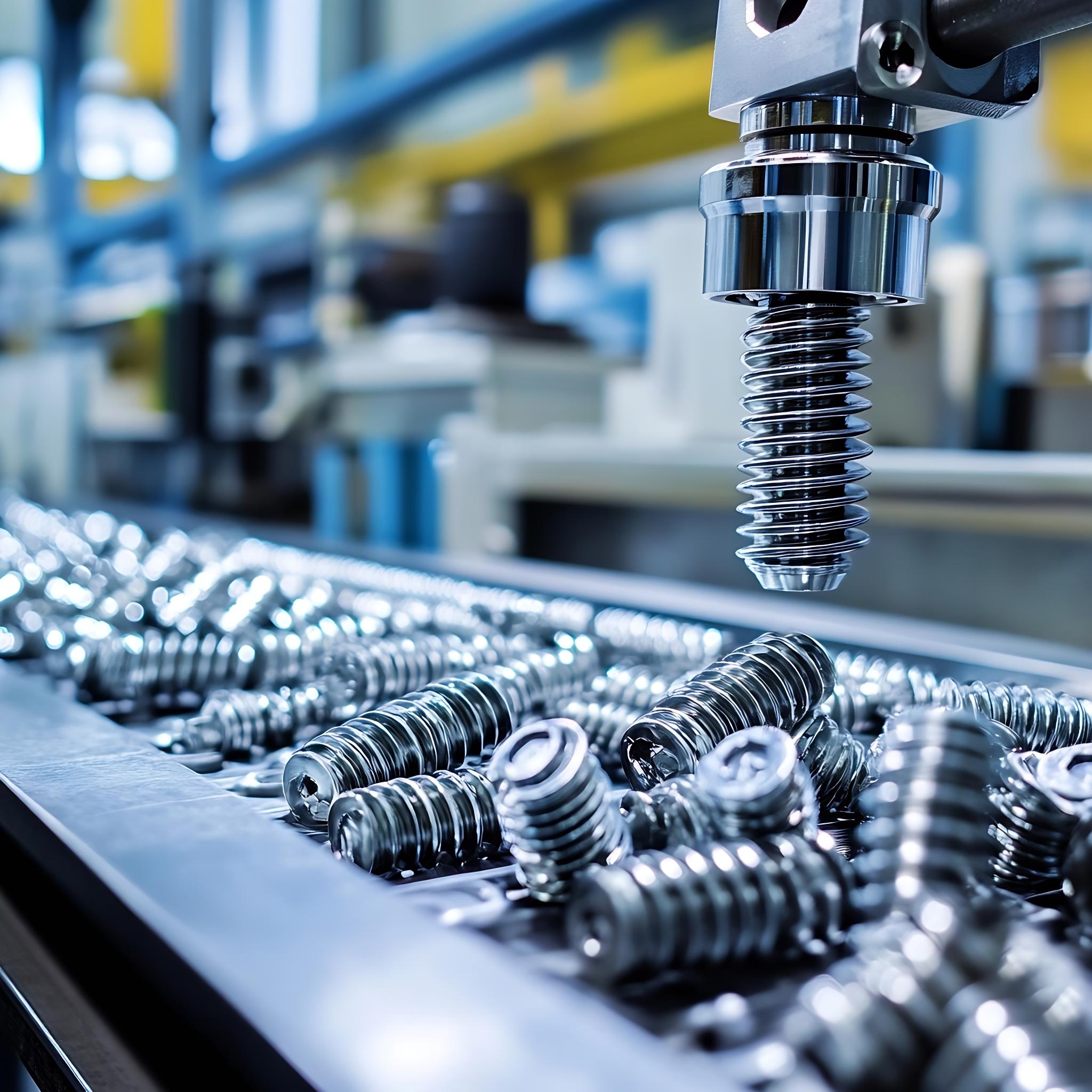

The EU Carbon Border Adjustment Mechanism (CBAM) has officially taken effect. Fasteners, as deep-processed steel products, are included in the regulation. Exporters shipping products to the EU are required to submit detailed carbon emission reports, making low-carbon compliance a basic threshold for overseas sales.
The carbon footprint of fasteners mainly comes from raw material steel production. The new policy raises compliance costs for export enterprises and puts forward higher requirements for production processes. Facing the new rules, domestic fastener manufacturers are actively promoting transformation and upgrading.
Many enterprises have optimized production equipment and adopted energy-saving and environmental-friendly technologies to cut energy consumption and carbon emissions. Standardized carbon accounting and full lifecycle carbon management systems have been established to meet international certification requirements.
The industry believes that although the new policy brings short-term challenges, it will eliminate backward production capacity and drive the whole industry to develop in a greener and more standardized direction. Sustainable development will become the core competitiveness for fastener enterprises going global.